Small Business VPN Security Essentials
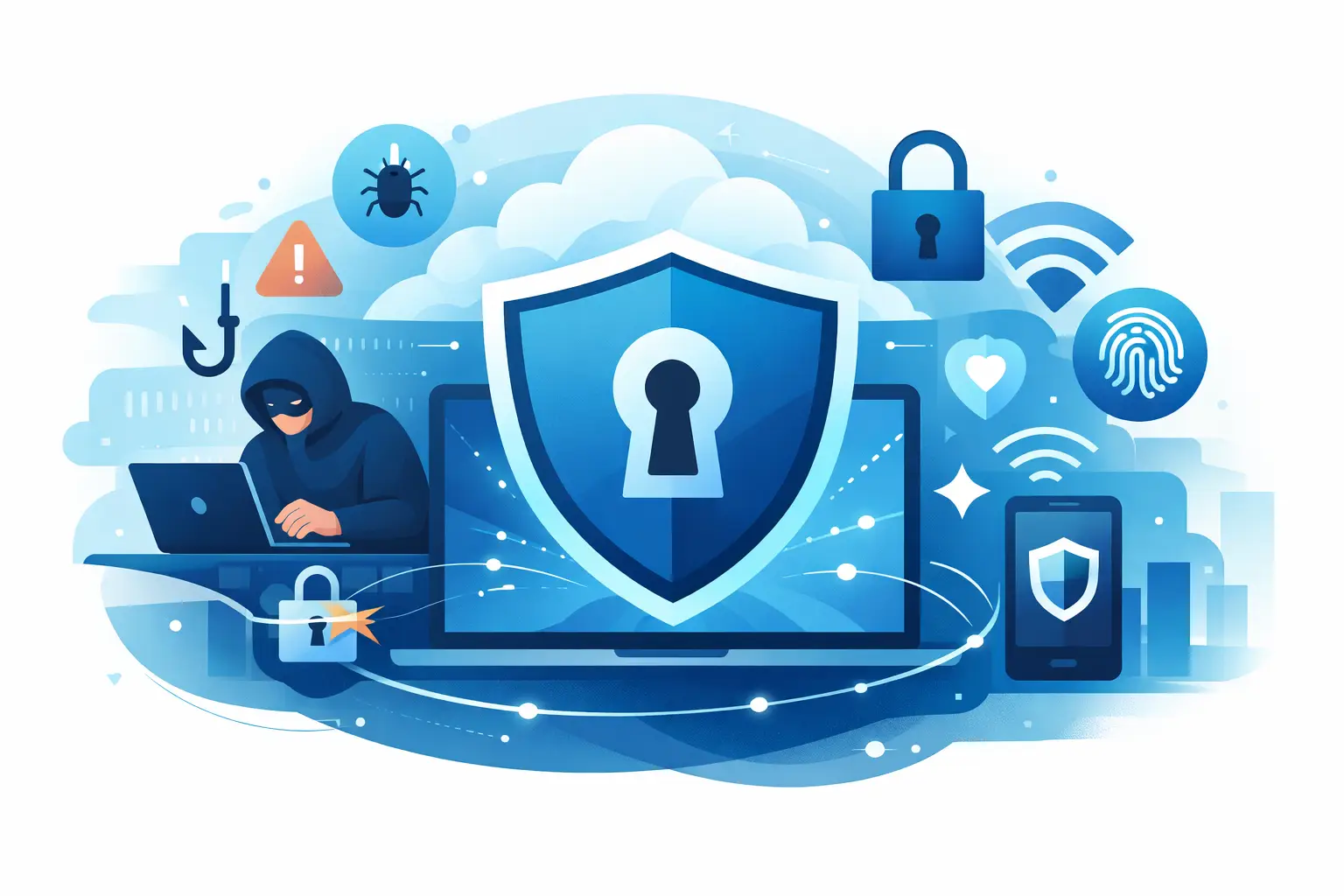
Protecting your small business in today's digital landscape requires robust security measures, and a Virtual Private Network (VPN) is a cornerstone of this defense. A VPN encrypts your internet traffic, creating a secure tunnel that shields sensitive company data from prying eyes, especially when employees are working remotely or using public Wi-Fi networks.
Key features to look for in a business VPN include strong encryption protocols (like OpenVPN or WireGuard), a strict no-logs policy, dedicated IP addresses for secure access to internal resources, and a broad server network. These elements work together to ensure confidentiality, integrity, and availability of your business's digital assets, mitigating risks associated with data breaches and cyberattacks.
Essential VPN Features for Remote Access
For small businesses with a distributed workforce, secure remote access is paramount. A VPN provides employees with a safe and encrypted connection to the company's network, regardless of their physical location. This ensures that sensitive information remains protected as it travels over potentially unsecured public networks.
When evaluating VPNs for remote access, consider features such as multi-factor authentication (MFA) for an extra layer of security, split tunneling to allow access to both company resources and the public internet simultaneously, and reliable connection stability. The ability to manage user access and monitor activity also contributes to a more secure and controlled remote work environment.