Understanding IP Addresses in Real-World Scenarios
An IP address serves as a unique digital identifier assigned to every device connected to the internet, enabling seamless communication across global networks. In everyday digital life, these numerical labels dictate how data packets are routed from web servers to your personal devices, making online browsing, messaging, and media consumption possible.
Statistics show that billions of connected devices rely on these protocols simultaneously to exchange information securely and efficiently every single second. Without this fundamental system of identification, modern internet infrastructure would collapse, preventing websites from recognizing user requests and delivering requested content.
How VPN Services Protect Your Digital Footprint
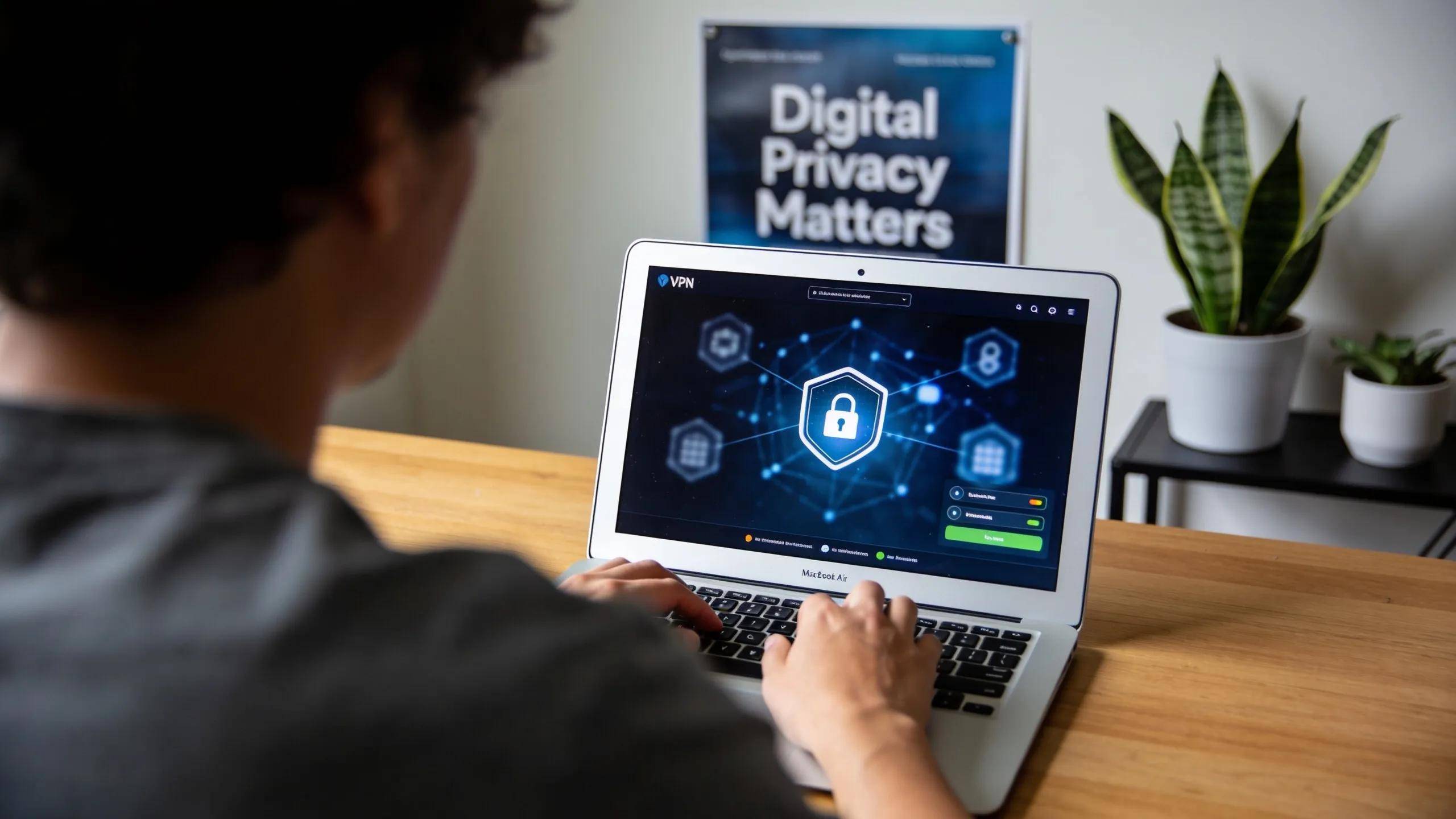
Virtual Private Networks enhance your online privacy by masking your actual IP address and routing your internet traffic through an encrypted remote server. This process effectively hides your geographic location and browsing habits from internet service providers, advertisers, and potential cyber threats.
Modern cybersecurity studies indicate that utilizing a reliable VPN significantly reduces the risk of data interception on public Wi-Fi networks and prevents targeted tracking. By adopting these security measures, users regain control over their personal data and maintain digital sovereignty in an increasingly monitored online environment.